
What is Polyaspartic Flooring?
Polyaspartic Flooring – A Complete Guide for Homeowners
If you’ve been researching durable, modern flooring solutions—especially for garages, basements, or commercial spaces—you’ve probably come across the term polyaspartic. But what exactly is it, and why is it becoming so popular?
In this post, we’ll break down what polyaspartic flooring is, how it works, and whether it’s the right choice for your space.
Understanding Polyaspartic Coatings
Polyaspartic flooring is a type of protective coating made from a material called polyaspartic polyurea. Originally developed in the 1990s for industrial applications, it was designed to provide a fast-curing, highly durable surface that could withstand harsh conditions.
Over time, contractors and homeowners began using it in residential settings—most commonly for garage floors—because of its strength, flexibility, and quick installation time.
At its core, polyaspartic is not a flooring material like tile or hardwood. Instead, it’s a coating applied over concrete, creating a seamless, protective, and visually appealing surface.
How Polyaspartic Flooring Works
Polyaspartic coatings are typically applied in multiple layers:
Surface Preparation – The concrete is cleaned and ground to ensure proper adhesion.
Base Coat Application – A liquid polyaspartic layer is spread across the surface.
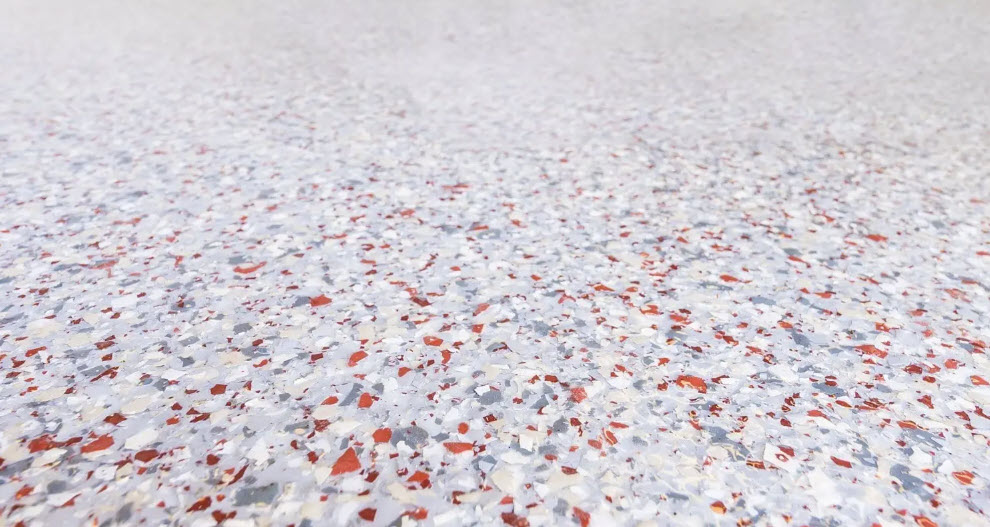
Decorative Elements (Optional) – Color flakes or metallic pigments may be added.
Topcoat Seal – A final protective layer locks everything in and provides durability.
One of the standout features is how quickly it cures. Unlike traditional coatings that can take days, polyaspartic floors often dry within hours—allowing for same-day use in many cases.
Key Benefits of Polyaspartic Flooring
1. Fast Installation
Polyaspartic coatings cure extremely quickly, making them ideal for homeowners who don’t want to wait days before using their space again.
2. Exceptional Durability
These floors are highly resistant to:
Abrasion and scratches
Chemical spills (like oil or gasoline)
Heavy foot and vehicle traffic
This makes them perfect for garages and commercial environments.
3. UV Stability
Unlike some alternatives, polyaspartic coatings do not yellow or fade when exposed to sunlight. This makes them suitable for outdoor or sunlit areas.
4. Temperature Flexibility
Polyaspartic can be applied in a wide range of temperatures, even in colder climates where other coatings may fail.
5. Aesthetic Appeal
From solid colors to decorative flakes and metallic finishes, polyaspartic flooring offers a sleek, modern look that enhances any space.
Polyaspartic vs. Epoxy: What’s the Difference?
Polyaspartic is often compared to epoxy, another popular concrete coating. While both provide durability and protection, there are some key differences:
Cure Time: Polyaspartic cures in hours, while epoxy can take days
UV Resistance: Polyaspartic resists yellowing; epoxy may discolor over time
Application: Polyaspartic requires faster, more precise installation
Cost: Polyaspartic is typically more expensive upfront
In short, polyaspartic is considered a premium upgrade over traditional epoxy systems.
Where Is Polyaspartic Flooring Used?
Polyaspartic coatings are versatile and can be used in a variety of settings, including:
Residential garages
Basements
Commercial and retail spaces
Warehouses
Outdoor patios and walkways
Its durability and resistance to the elements make it suitable for both indoor and outdoor use.
Are There Any Downsides?
While polyaspartic flooring offers many advantages, there are a few considerations:
Higher Cost: It generally costs more than epoxy
Professional Installation Recommended: Its fast curing time leaves little room for error
Limited DIY Window: Beginners may find it challenging to apply correctly
Final Thoughts
Polyaspartic flooring is a modern, high-performance solution that combines durability, speed, and style. Whether you’re upgrading your garage or finishing a commercial space, it offers long-lasting protection with minimal downtime.
While it may come at a higher initial cost, many homeowners find the investment worthwhile due to its longevity and low maintenance.
If you’re looking for a flooring solution that’s tough, attractive, and ready to use in a single day, polyaspartic might be exactly what you need.
Interested in learning more about having a polyaspartic covered garage floor? Give us a call for a free quote!